
Featured affiliated academy: Bulwark BJJ, Ecuador
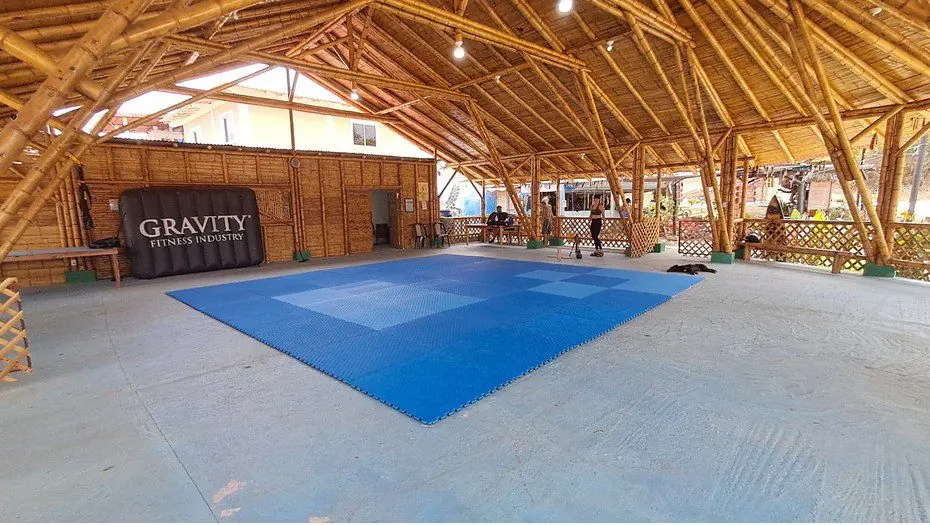
Where is the gym located?
Las Tunas, Manabí, Ecuador.
How many people train there?
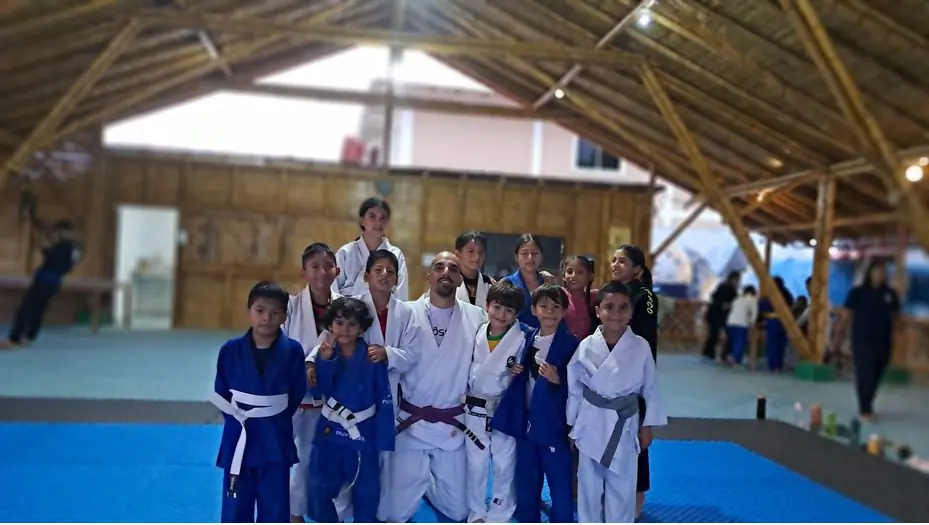
Right now we have around 60 kids in the youth program and about 10 adults training.
Is the gym growing – if so by how many new members each month or year?
Yes, especially with the kids. We usually get one or two new kids joining every month, so it’s been growing little by little.
What are the highest and lowest belt grades training?
We have everything from brand-new white belts up. In the kids’ program, orange belt is currently the highest rank. A lot of the kids are getting close to testing for blue belt, though, so that will be changing soon.
When did the gym open?
We started our current social project initiatives in 2021.
Bulwark BJJ, Ecuador
Some facts about you:
Name: Ulises Baca
Age: 35
Belt: Purple
Profession: Mechanic, chef, assistant coach, founder of The BJJTripping Experience, and U.S. Army Veteran.
Years in BJJ: 10+
Other martial arts: MMA
Currently living in: Las Tunas
Originally from: I was born in Peru and moved to the USA when I was a teenager.
Bulwark BJJ, Ecuador
Please tell us the story of how your gym came into existence
The kids program started with a few black belts from Guayaquil, mainly Professor Guillermo Lozano and Professor Julio Toulma, who decided to bring Jiu-Jitsu to Las Tunas and see what they could do with it here. I actually found the program a couple of years ago when I was visiting Las Tunas. I liked what they were doing right away and really connected with the idea behind it.
I moved to Las Tunas permanently, and I started helping with the classes and the project. With my background in the U.S. Army, I’ve always believed that things like discipline, respect, and being able to keep going when things get difficult are important. Jiu-Jitsu teaches a lot of those things naturally.
So for me, the goal is really to help continue what Professor Guillermo, Professor Julio, and the others started and give these kids a place where they can learn, train, and hopefully take some of those lessons with them into the rest of their lives.
Tell us about the people that train in the gym – who are they?
We have about 10 adults who train regularly, but the kids are definitely the biggest part of the gym. We have around 60 of them in the youth program. They come from different backgrounds, and some of them are dealing with pretty difficult situations at home or in their community. Las Tunas is a beautiful place, but there are also real problems here, especially for kids growing up with limited opportunities.
Once they get on the mats, though, all of that kind of disappears. They’re just kids training together. You can see the difference in them over time. They get more comfortable, they start pushing themselves, and they learn how to deal with losing and getting tired without giving up. They also become more confident. For a lot of these kids, Jiu-Jitsu is more than just going to practice. It’s a place where they can spend time doing something positive, make friends, and work toward something.
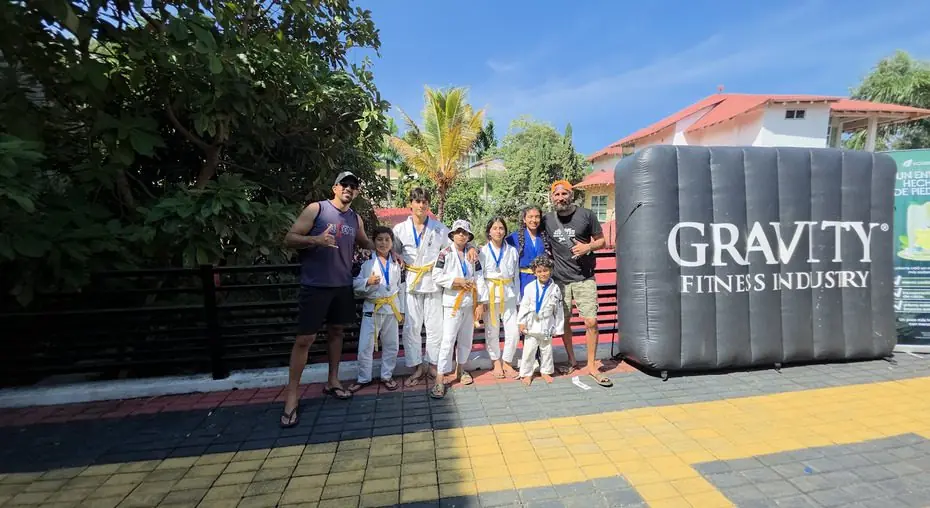
We also couldn’t do this without our sponsors. Their support is a huge part of keeping the youth program running, and we’re very grateful for that.
Why do they train?
For the adults, it’s pretty straightforward. They train for fitness, to learn Jiu-Jitsu, and because they enjoy being part of the group.
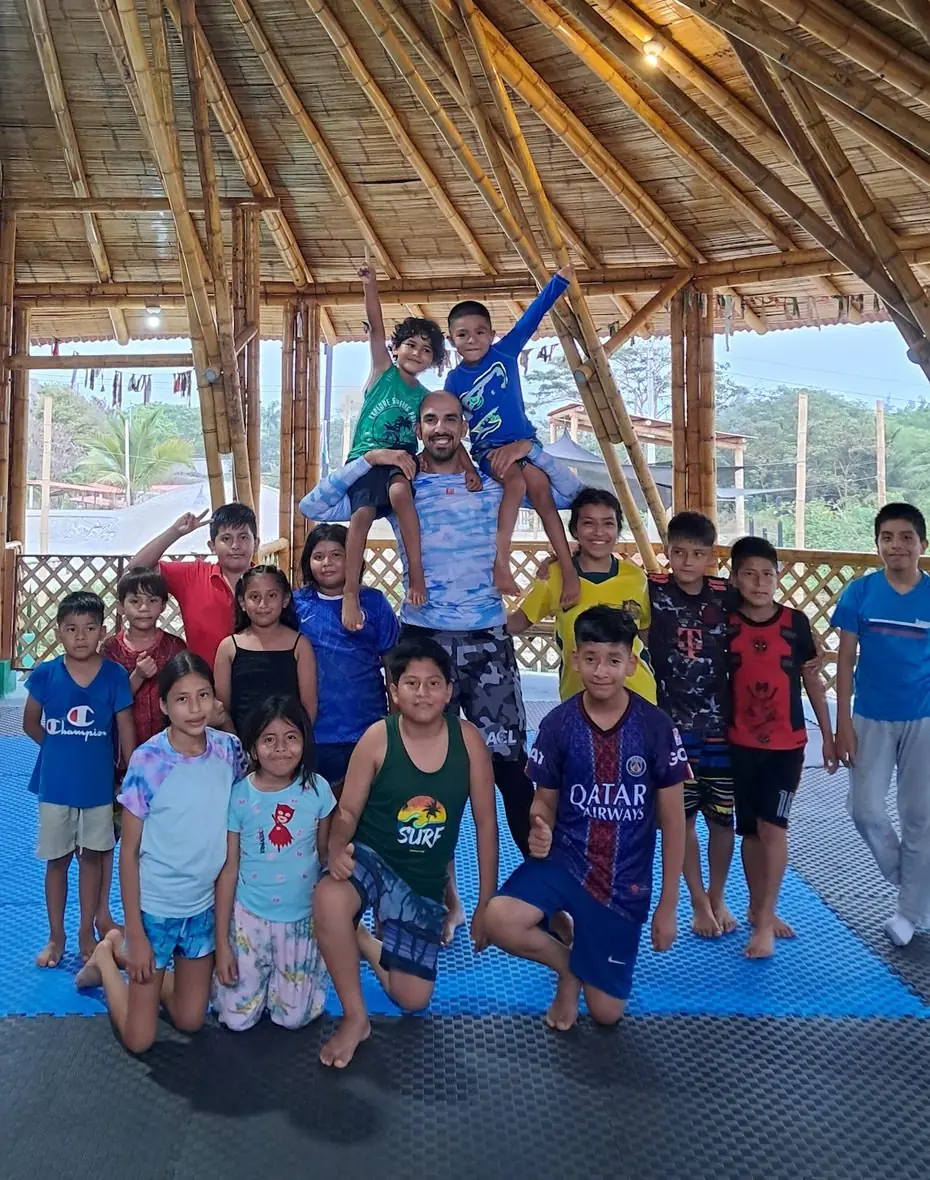
For the kids, there are more reasons. Obviously, some of them want to compete, but they also get a lot out of simply being there. They learn discipline, respect, patience, and how to keep working when something isn’t easy.
I think having a place like this where they can focus their energy and be around good people is really important.
Bulwark BJJ, Ecuador
What are some of the challenges of running a BJJ gym in general, and in your area specifically?
The biggest challenge is keeping the youth program running. That’s really the main focus of what we’re doing here. We depend a lot on our sponsors to make it possible. Things like equipment, travel to competitions, and the general costs of running the program add up. Without that support, it would be very difficult to keep everything going.
So that’s something we’re always thinking about—making sure we have enough support to keep the kids on the mats.
How do you see the future for BJJ in your area?
I’m really happy with how things are going right now. We’ve put together a competition team, and the kids have been doing really well at tournaments. We’ve taken them to different competitions and they’ve been coming back with medals pretty regularly, which is great to see.
But honestly, the medals aren’t even the best part. I like seeing them set a goal, work toward it, and then realize they actually can do it. That means a lot.
I think BJJ has a lot of room to grow here in Manabí. The kids are getting more interested, and hopefully some of them will stay with the sport for many years. I’d love to see them eventually become the next generation of coaches and competitors from this area.
What’s the best thing about your gym?
The location is definitely one of the best things. We’re training outside, basically right by the ocean. We get the breeze, the ocean view, and it’s just a really nice place to train.
But the kids are what make the gym special. After a hard round, you’ll see them completely exhausted, sitting around laughing or talking to each other. Sometimes they’re barely able to catch their breath, but they’re still smiling. Those moments are probably my favorite part of being here.
What would you recommend Globetrotters to see in your area apart from the inside of your gym?
There’s a lot to do around here. We’re right on the beach, and Las Tunas is a really nice surf town, so obviously surfing is a big one.
There are also some great places for whale watching, bird watching, and trekking. If you’re more into adventure sports, you can go mountain biking or enduro riding. There are plenty of outdoor activities depending on what you’re into.
For me, one of the best things about the area is just being outside. You can get away from everything, spend time in nature, and enjoy the coast. So if you’re coming to Las Tunas, definitely come say hi and train with us.
—-